The Ultimate Guide To Tyre Prices In Darwin: What You Should Really Expect To Pay
Choosing new
tyres can feel overwhelming, especially when prices vary so noticeably between brands, workshops and tyre types. Drivers often find themselves comparing quotes, wondering whether a cheaper option is actually good value or if a higher price genuinely reflects better performance. Tyres influence almost every aspect of driving—from braking and grip through to fuel use and ride comfort—so understanding what affects their cost is important. While price matters, the long-term value often comes from choosing tyres that suit your driving habits, conditions and vehicle needs. This guide breaks down the key factors behind tyre prices and helps drivers make well-informed decisions.
1. Understanding What Affects Tyre Prices
A tyre’s price reflects its design, engineering and performance expectations. While two tyres may appear similar, the materials used, the tread structure and the internal construction can be very different.
Pricing is often influenced by:
- The quality of the rubber compound
- The tread design and how it handles braking and water dispersion
- Reinforcement materials used inside the tyre
- The tyre’s load rating and speed rating
Each of these contributes to how the tyre behaves on the road. A tyre engineered for durability and consistent performance typically costs more upfront but often lasts longer and performs more reliably. When comparing prices, it helps to consider how each tyre might wear under your usual driving conditions, as this often determines long-term value.
2. Tyre Types and How They Influence Costs
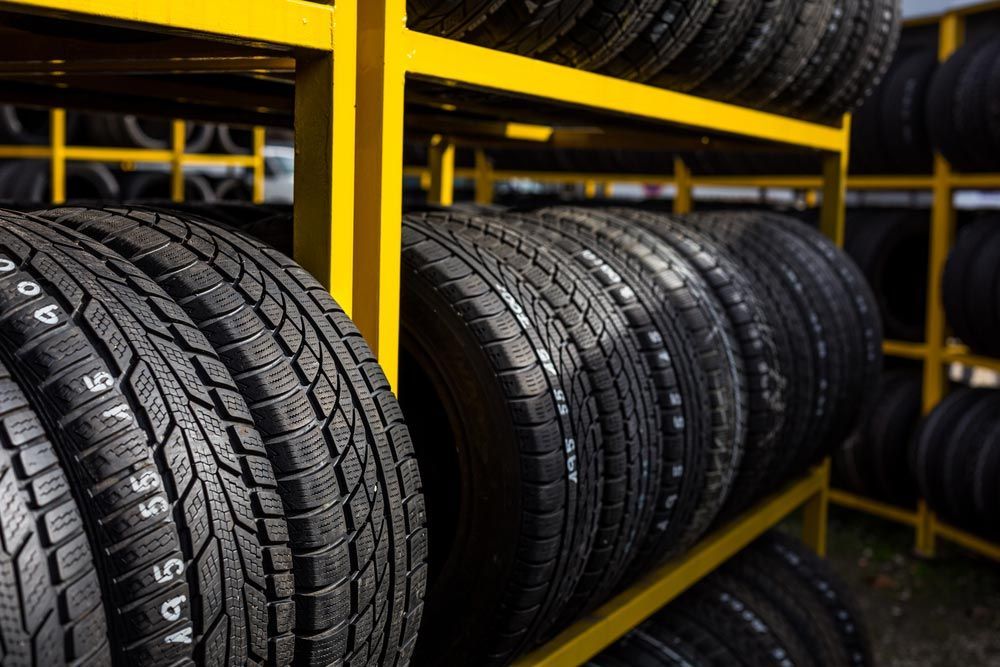
One of the biggest factors affecting tyre price is the category it falls into. Tyres are designed for specific uses, and manufacturing requirements can vary widely. Common tyre types include:
- Passenger tyres for everyday driving
- Performance tyres for enhanced handling and stability
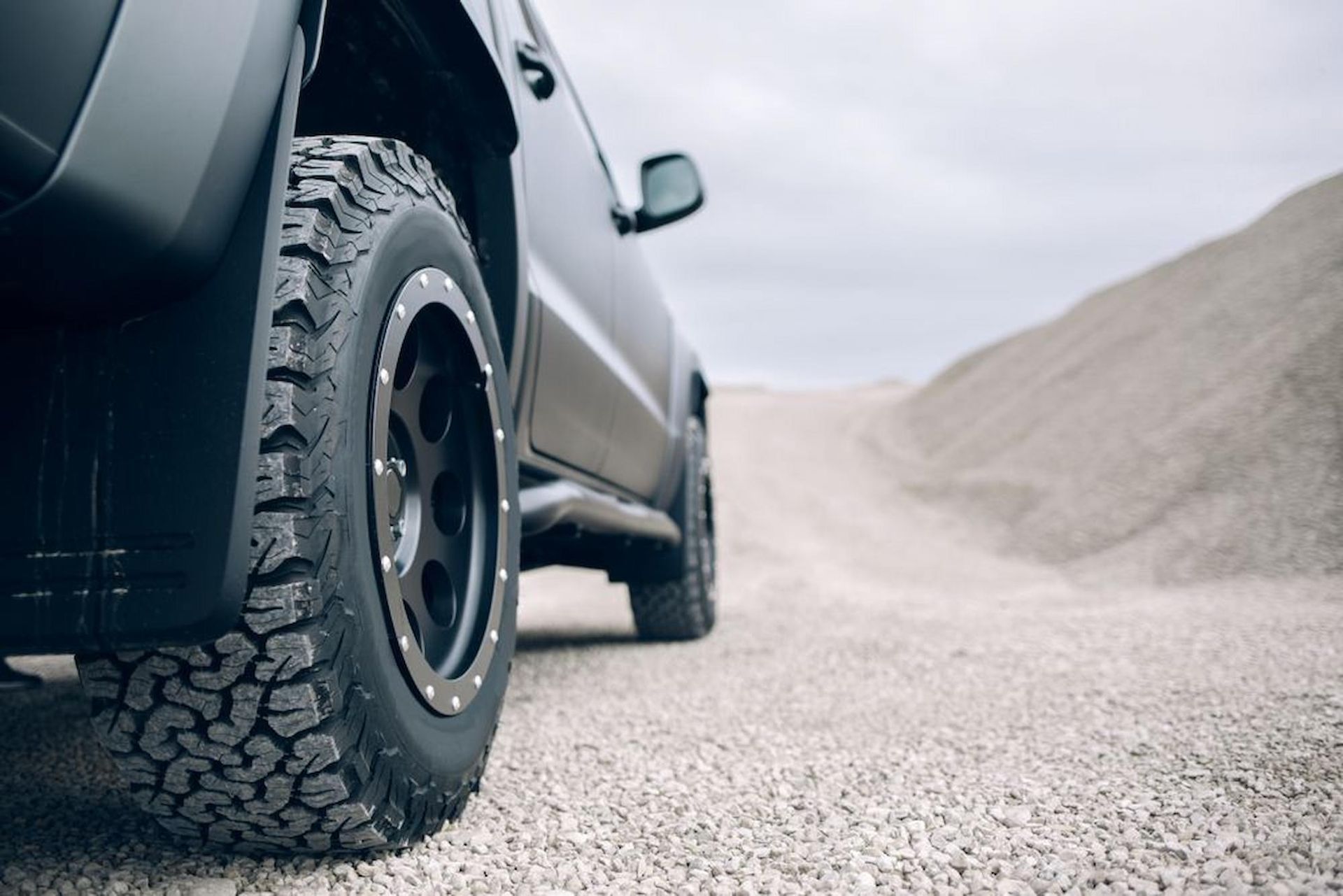
- 4WD and SUV tyres for tougher terrain and extra load
- Light truck tyres for heavy-duty and commercial use
Premium tyres often include additional features—such as improved heat resistance or enhanced wet-weather grip—that contribute to their higher cost. Choosing the right category ensures the tyre is fit for purpose and avoids premature wear.
Beyond the main categories, many manufacturers offer specialised designs focused on specific driving needs. Tyres built for reduced road noise use extra cushioning layers, while long-wear tyres contain stronger compounds designed to withstand extensive use. Small variations in construction can influence braking behaviour, cornering ability or load strength. Some tyres are also engineered for fuel efficiency, known as low rolling resistance tyres. While they may sit at a different price point, they can reduce fuel consumption slightly over time, offering longer-term savings. These additional features explain why prices can differ significantly between tyres that appear similar at a glance.
3. The Role of Quality and Brand Reputation
Brand reputation often reflects a history of research, testing and reliability. Well-known tyre brands typically invest heavily in developing rubber compounds, enhancing tread patterns and conducting wear studies.
Quality affects pricing through:
- More advanced tread technology
- Better heat resistance for harsh conditions
- Improved performance during sudden braking or wet weather
A higher-quality tyre usually wears more evenly and holds its grip for longer. This often leads to fewer replacements and more consistent performance throughout the tyre’s life. While premium tyres sit at a higher price point, they can be cost-effective when considering durability and safety.
4. How Vehicle Maintenance Impacts Tyre Life (and Costs)
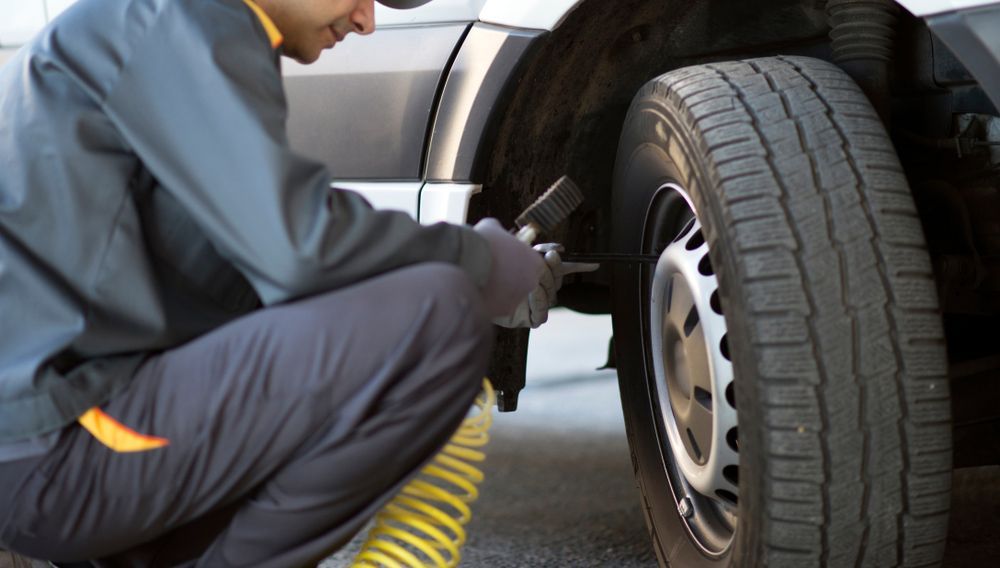
Tyre prices are only one piece of the puzzle. How well the vehicle is maintained plays a major role in determining how long those tyres will last. Poor alignment, worn suspension parts or irregular servicing can cause even high-quality tyres to deteriorate faster than expected.
Regular servicing helps maintain tyre life by:
- Ensuring correct wheel alignment
- Identifying suspension issues early
- Keeping steering components in good condition
Routine tyre rotation also helps distribute wear evenly, extending lifespan. Additionally, balancing the tyres at recommended intervals prevents vibration that can cause internal damage over time. Drivers who frequently carry heavy loads or travel across mixed terrain may also need more frequent checks. Extra weight increases pressure on tyres, especially on the front wheels where most steering force is applied. Adjusting driving habits—such as avoiding abrupt braking—can further reduce unnecessary strain.
5. What Drivers Should Look for in a Tyre Quote
A tyre quote should offer more than a simple price. A transparent quote helps drivers understand what they are paying for and makes comparisons more meaningful. A clear tyre quote generally includes:
- Supply and fitting of the tyres
- Wheel balancing
- Disposal of old tyres
- Optional extras or add-on services
Some quotes may include additional protections, such as road hazard coverage or extended wear guarantees. These can be helpful for drivers who travel long distances or drive frequently on variable road surfaces.
Workshops may also recommend a wheel alignment during fitting. While this is an extra cost, it plays a crucial role in protecting new tyres from rapid wear. Alignments help ensure the tyre sits evenly on the road, reducing edge wear and improving overall driving stability.
Understanding these details allows drivers to judge value accurately, rather than comparing pricing alone.
6. Why Tyres Are an Investment Rather Than a Simple Purchase
Tyres contribute directly to safety, performance and comfort. They influence how a vehicle handles in emergencies, how it grips in wet conditions and how efficiently it consumes fuel.
Benefits of choosing suitable tyres include:
- Improved stopping distances
- Better stability through corners
- A smoother, more controlled ride
A well-chosen tyre can also help reduce strain on other components, such as
brakes and suspension. Considering tyres as an investment rather than a simple purchase helps drivers prioritise long-term safety and reliability.
7. Value Versus Price: Finding the Middle Ground
Drivers often feel pressured to choose between cheap tyres and premium tyres, but value lies in understanding what each option provides. Mid-range tyres often offer the best balance between cost and long-term performance.
Good value tyres generally offer:
- Consistent wear
- Reliable grip
- A price that reflects practical performance rather than branding alone
In addition to cost, drivers should consider lifespan. A slightly higher-priced tyre that lasts longer can often work out cheaper per kilometre. Comfort also plays a role; some tyres are designed for quieter travel or smoother handling during long trips. These subtle differences can make a noticeable improvement to the driving experience.
8. How to Ensure You’re Paying the Right Price
Understanding tyre pricing makes it easier to spot fair quotes and avoid unnecessary expenses. A well-informed approach focuses on suitability, lifespan and included services rather than cost alone.
Helpful steps include:
- Asking for clear explanations of tyre features
- Comparing quotes with attention to included services
- Seeking advice based on your driving habits
- Balancing budget with long-term value
This approach ensures drivers invest in tyres that match both their vehicle’s needs and their day-to-day driving patterns.
We Are Here to Help
We at
City Tyre Service help drivers make informed choices by offering practical advice, transparent quotes and
tyre options suited to local road and weather conditions. Our team understands how heat, humidity and changing road surfaces affect tyre wear, and we provide recommendations tailored to both your vehicle and your budget. To explore our full range or
get advice you can rely on, visit
https://www.citytyreservice.com.au/ and let us help keep your vehicle safe, stable and performing at its best.