All-Season Vs All-Terrain Tyres: Which Handles Darwin Conditions Better?
A tyre that feels comfortable on a dry suburban road can behave very differently once the wet season arrives. Add long highway stretches, rough rural roads and constant heat into the mix, and choosing the right tyre becomes more than a simple preference.
For many drivers, the decision often comes down to two common options: all-season tyres and all-terrain tyres. Both are designed for versatility, but they suit different driving habits and road conditions. Understanding how each performs in tropical weather, changing road surfaces and everyday commuting can help drivers make a more informed choice when shopping for tyres in Darwin.
Why Tyre Choice Matters in Northern Conditions
Road conditions across the Top End can shift quickly. A dry sealed road in the morning may turn slippery after an afternoon downpour, while weekend travel might involve gravel tracks, regional highways or muddy access roads.
Tyres influence more than just ride comfort. They also affect:
- Braking distances
- Steering response
- Water dispersion during rain
- Fuel consumption
- Noise levels
- Tread wear in hot weather
Drivers searching for tyres in Darwin often need something capable of handling several environments without becoming impractical for daily commuting.
What All-Season Tyres Are Designed For
All-season tyres are primarily built for regular on-road driving. Their tread patterns are intended to balance grip, comfort and longevity across varying weather conditions.
They are commonly fitted to:
- Sedans
- Small SUVs
- Hatchbacks
- Family vehicles
- Urban commuter cars
The tread on all-season tyres typically features smaller grooves and a smoother contact patch. This design supports predictable handling on sealed roads while helping reduce road noise.
For drivers who mainly travel through suburban streets, shopping precincts and highways, all-season tyres may suit day-to-day driving habits more naturally than heavier off-road options.
In warm climates, tyre maintenance also becomes important. Heat can increase air pressure and accelerate wear if tyres are underinflated or poorly aligned. Regular tyre checks and wheel alignments can help identify uneven wear patterns before they develop into larger issues.
Where All-Terrain Tyres Fit into Daily Driving
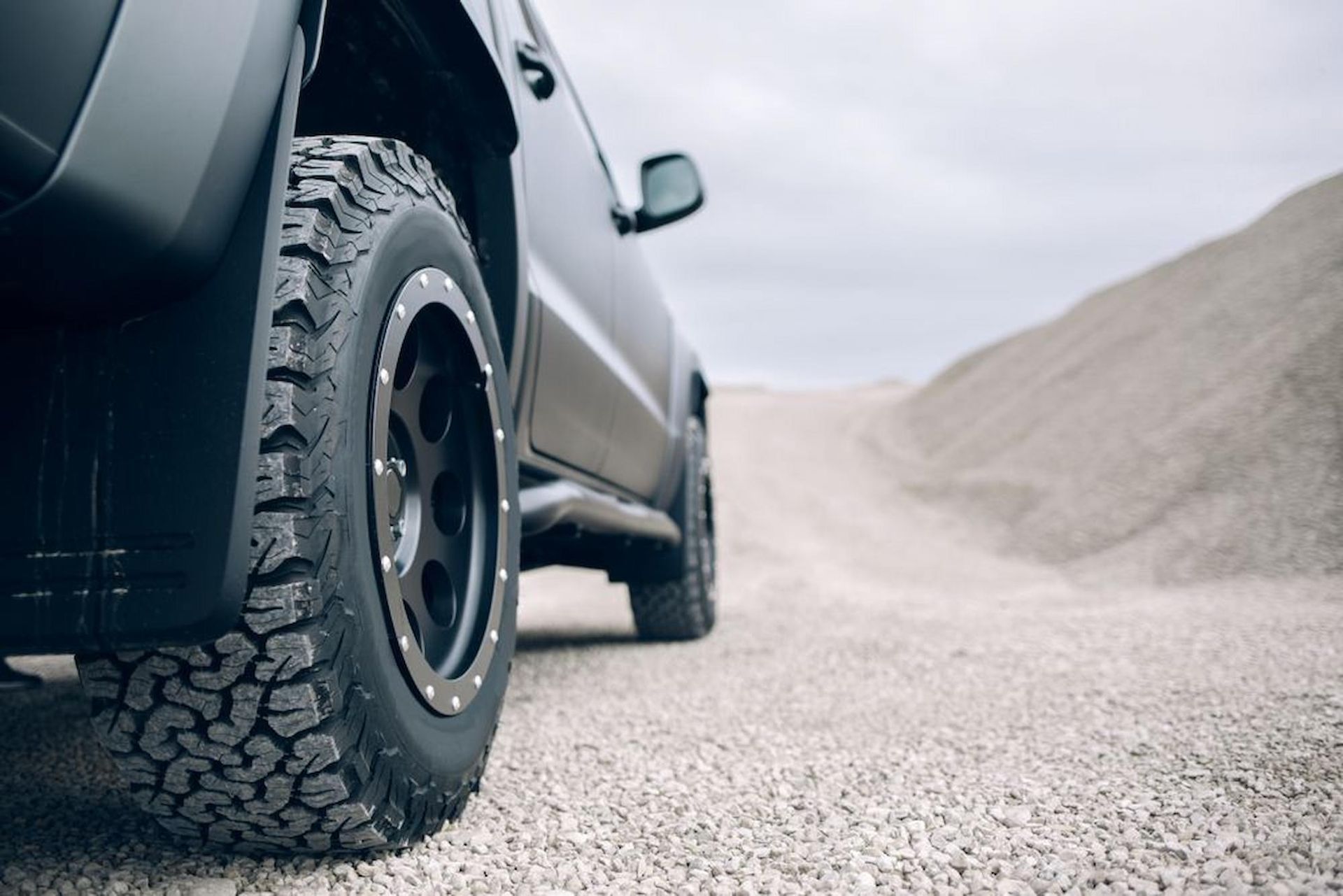
All-terrain tyres are developed with mixed surfaces in mind. Their construction is generally more aggressive, with deeper tread blocks and reinforced sidewalls designed for rougher conditions.
They are often chosen for:
- Dual-cab utes
- 4WD vehicles
- Touring vehicles
- Regional travel
- Recreational off-road driving
The larger tread gaps help move mud, loose dirt and gravel away from the tyre surface. This can improve traction on unsealed roads and uneven terrain.
Many drivers considering Darwin tyres choose all-terrain options because they regularly travel outside urban areas or tow trailers, boats or caravans on mixed surfaces.
That said, all-terrain tyres can behave differently during everyday commuting. Some drivers notice:
- Increased road noise
- Firmer ride feel
- Heavier steering response
- Slightly higher fuel consumption
The trade-off is additional versatility for drivers who frequently move between sealed roads and rough terrain.
Heat Exposure Can Affect Tyre Performance
Consistent high temperatures place extra stress on tyres regardless of tread type. Road surfaces absorb heat throughout the day, which can increase tyre temperatures during longer drives.
Rubber compounds respond differently under sustained heat exposure. Softer compounds may wear faster while harder compounds can sometimes reduce wet-weather grip.
All-season tyres often prioritise comfort and consistent on-road handling, while many all-terrain tyres use tougher compounds to cope with gravel and uneven surfaces.
In hotter climates, tyre condition should be checked regularly for:
- Cracking
- Uneven tread wear
- Sidewall damage
- Incorrect tyre pressure
- Reduced tread depth
Rotations, balancing and pressure adjustments may help tyres wear more evenly over time, particularly for vehicles carrying heavy loads or travelling long distances.
Wet Season Roads Create Different Challenges
Heavy rainfall changes how tyres interact with the road surface. Standing water, reduced visibility and slippery roads can all affect traction and braking performance.
All-season tyres are often designed with water evacuation channels that support grip during wet road driving. Their tread patterns are generally intended to maintain steady contact with sealed surfaces during rain.
All-terrain tyres can also handle wet conditions, although some aggressive tread patterns may feel less stable on bitumen during sudden braking or cornering compared with a standard road tyre.
Drivers who spend most of their time on sealed roads during the wet season may prioritise:
- Wet-weather braking
- Quiet handling
- Steering stability
- Road comfort
Meanwhile, drivers travelling through regional areas may value the additional grip all-terrain tyres can provide on muddy or damaged roads following heavy rain.
Tyre inspections become particularly useful during wetter months because road debris, potholes and sharp gravel can increase the risk of punctures and uneven wear.
Sealed Roads & Fuel Use
For commuters travelling mainly on sealed roads, tyre rolling resistance can influence fuel usage over time.
All-season tyres are generally lighter and designed for smoother road contact. This can contribute to:
- Quieter highway driving
- Reduced rolling resistance
- Softer ride quality
- Lower vibration levels
All-terrain tyres typically have heavier construction and deeper tread patterns. While useful on rough surfaces, they may create additional drag on sealed roads.
Drivers balancing everyday commuting with occasional outdoor travel sometimes choose hybrid-style all-terrain tyres that offer a less aggressive tread while still supporting light off-road use.
When comparing tyres in Darwin, vehicle type and travel frequency often play a larger role than appearance alone.
Road Noise & Ride Comfort Can Differ
Tyre tread design has a direct impact on cabin noise and overall ride feel.
All-season tyres usually produce less road noise because the tread blocks are smaller and closer together. This can make highway travel feel smoother and quieter.
All-terrain tyres often create more audible road hum, particularly at higher speeds. Their deeper tread voids are designed for traction rather than silence.
Ride comfort can also vary depending on:
- Tyre pressure
- Vehicle suspension
- Wheel size
- Load weight
- Tread design
Drivers using their vehicle mainly for commuting, school runs or city driving may prefer the quieter characteristics of all-season tyres.
Drivers frequently travelling on gravel roads or uneven tracks may accept additional noise in exchange for stronger off-road capability.
Choosing Tyres Based on How the Vehicle is Used
There is rarely a single tyre type that suits every driver. The right option usually depends on where the vehicle spends most of its time.
All-season tyres may suit drivers who:
- Mostly drive on sealed roads
- Commute daily
- Prioritise ride comfort
- Travel shorter regional distances
- Rarely encounter rough terrain
All-terrain tyres may suit drivers who:
- Regularly travel on gravel roads
- Visit remote areas
- Tow trailers or caravans
- Drive 4WD vehicles
- Combine work and recreational travel
Tyre specialists often assess driving habits, vehicle type and common road conditions before recommending replacement tyres. Wheel alignments, balancing and tyre pressure checks may also influence how well tyres perform over time.
Looking Beyond the Tread Pattern
Tyre selection is not only about appearance or off-road capability. Load ratings, speed ratings, tread depth and manufacturer specifications all contribute to suitability for a particular vehicle.
Drivers comparing tyres may also consider:
- Frequency of long-distance driving
- Seasonal travel conditions
- Passenger loads
- Towing requirements
- Typical road surfaces
Regular servicing and tyre inspections can help identify issues early, particularly in climates where heat and heavy rain place additional demands on vehicles.
Talk to a Local Tyre Team About the Right Fit
Choosing between all-season and all-terrain tyres often comes down to how and where the vehicle is driven most often. A tyre suited to suburban commuting may not feel as capable on rough regional roads, while an aggressive all-terrain tyre may behave differently during daily highway travel.
At City Tyre Service, we can help drivers compare tyres for Darwin conditions, from wet season commuting to regional road travel. If you are weighing up tyre options for your vehicle, contact our team to discuss suitable tyres for your driving habits and road conditions.